
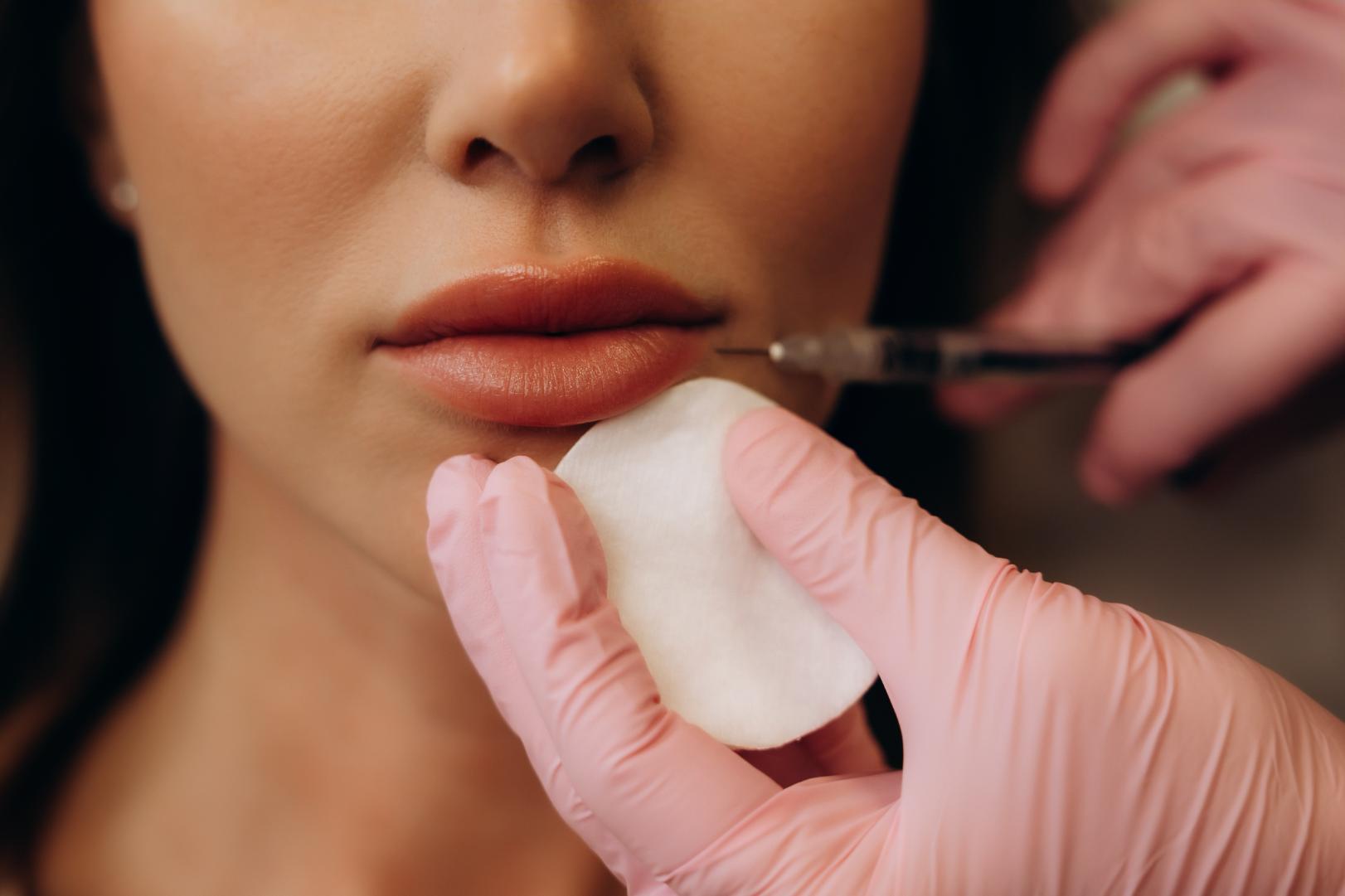
Sagging skin and changing facial contours don’t always announce themselves with one dramatic change. Sometimes it’s a cheek that looks flatter, a jawline that feels less defined, or deeper folds that make the face seem more tired. Carefully selected injectables, including dermal fillers, can restore or add volume, refine contours, and bring greater balance to facial features without surgery.
But getting filler is only the beginning. What happens afterward matters, too. Some post-treatment reactions are completely normal, while certain habits can interfere with recovery or make it harder to judge your final result.
If you’ve been searching for filler aftercare Lakeland advice that goes beyond don’t touch your face, keep reading. We’re breaking down what can compromise a good result and how to give your treatment the best possible start.
What Is Forbidden After Fillers?
Avoid rubbing, pressing, or massaging treated areas unless your injector specifically instructs you to do so. Restrictions on exercise, heat, and alcohol depend on the filler and your recovery, so follow your product-specific aftercare instructions.
For example, Juvéderm Ultra XC’s patient labeling advises avoiding strenuous exercise, extensive sun or heat exposure, and alcoholic drinks for the first 24 hours. These precautions help limit temporary redness, swelling, and itching. Ask your injector which restrictions apply to you and when you can resume your usual routine.
What Can Ruin Your Filler Results?
A beautiful filler result depends on much more than the product itself. Treatment planning, injection technique, appropriate aftercare, and realistic long-term maintenance all play a role.
1. Pressing and Massaging Without Instructions
After filler, it can be incredibly tempting to keep checking the treated area. You may touch your lips to see how swollen they feel, press your cheeks to compare both sides, or massage a small bump because it seems uneven. Unless your injector has specifically instructed you to massage the area, resist the urge to manipulate it.
The FDA’s Dermal Fillers (Soft Tissue Fillers) guidance lists swelling, bruising, redness, tenderness, and itching among common reactions. These early changes can make the treatment area look different before it settles. This is why repeatedly pressing or attempting to “fix” something yourself is rarely helpful.
Different fillers and treatment areas may come with different aftercare instructions. Some products or techniques may involve provider-directed massage, while others may not. Follow the instructions for your treatment rather than copying someone’s routine from social media.
2. Mistaking Normal Swelling for a Bad Result
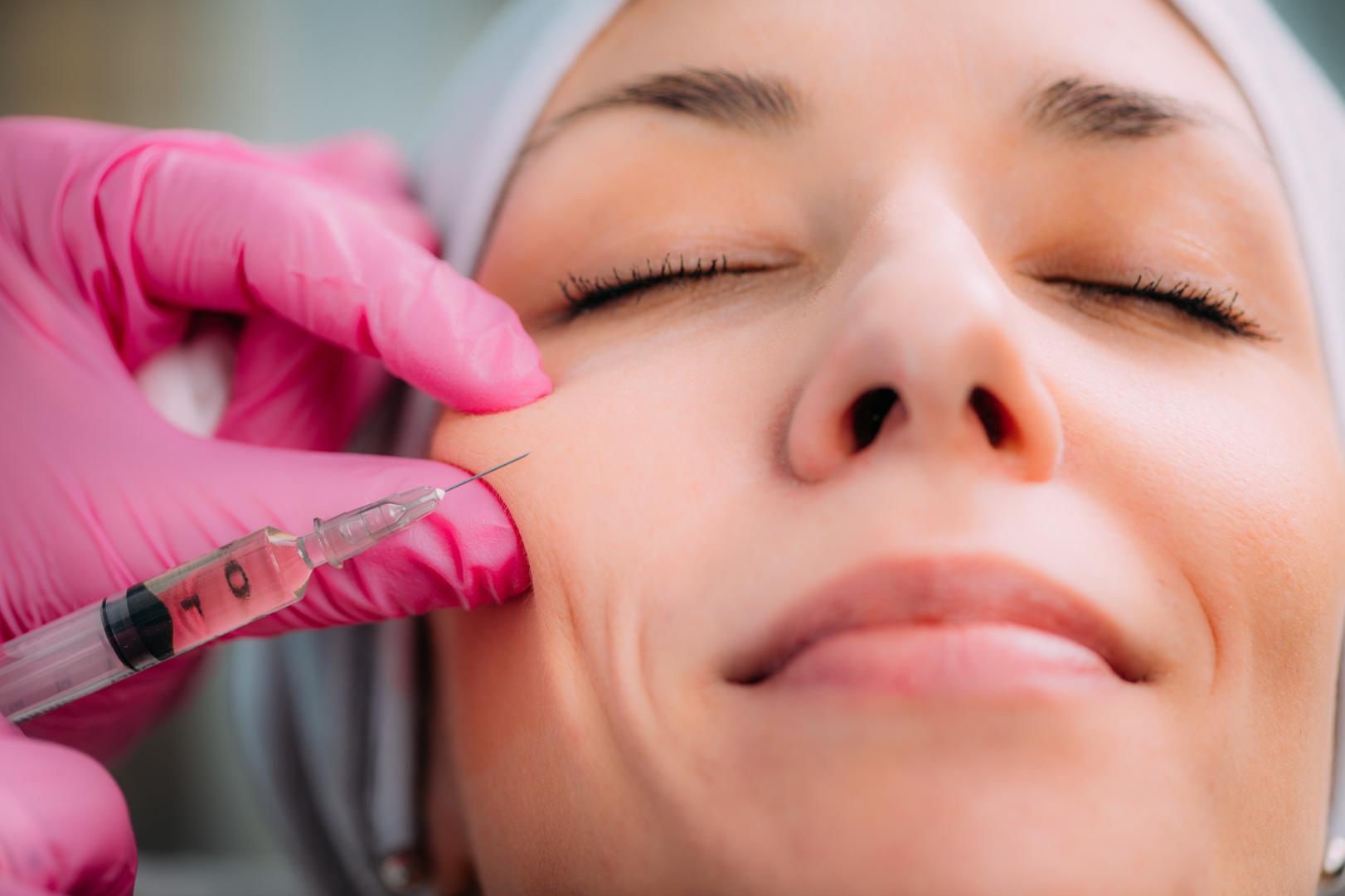
The face you see immediately after injections isn’t necessarily your final face. Filler swelling is a common post-injection reaction. Bruising, redness, tenderness, and localized discomfort can also occur. The amount varies according to the treatment area, product, injection technique, and individual response.
Lips, for example, can look noticeably fuller while swollen. One side may temporarily appear different from the other. That doesn’t automatically mean too much filler was used or that the treatment has failed.
Give your injectable recovery the time recommended by your provider before analyzing every millimeter of symmetry. This is especially important in an era of front-facing cameras and magnifying mirrors. Checking the treatment every few minutes can make normal short-term changes feel much more alarming than they are.
There is an important exception:
- Suspected vascular occlusion is a medical emergency. This rare injection complication happens when filler enters and blocks a blood vessel, interrupting the blood supply. Consequences can include necrosis (tissue death), blindness, or stroke. The damage can be permanent.
- Seek medical attention immediately for unusual or worsening pain, white, gray, or blue skin near the injection site, or vision changes. Sudden facial drooping, weakness, or difficulty speaking also requires emergency care. Do not wait for swelling to settle or for a routine follow-up.
- Call 911 immediately for vision changes or possible stroke symptoms. For suspicious pain or skin-color changes, contact your injector immediately for emergency assessment. If they cannot assess you immediately, seek emergency medical care. Tell the treating team when and where you received filler.
3. Exercising Too Soon
Your workout routine may feel non-negotiable, but the hours after filler aren’t the ideal time to chase a personal record. Strenuous activity increases heart rate and blood flow and can potentially contribute to temporary swelling or bruising after injections.
Your injector may recommend avoiding intense exercise for a period after treatment based on the procedure and areas treated. This doesn’t mean you need to spend days motionless on the couch.
Gentle everyday activity may be fine when your provider approves it. The important point is to follow treatment-specific instructions rather than assuming that because filler is non-surgical, there are no restrictions. When patients ask what to avoid after filler, vigorous exercise is often part of the early conversation.
Plan ahead if fitness is an important part of your day. Scheduling filler immediately before a major training session, race, or physically demanding event may make recovery unnecessarily inconvenient.
4. Adding Too Much Heat
Heat is another factor worth discussing during early recovery. Your provider may advise temporarily avoiding activities that expose the treated area to excessive heat, such as saunas, steam rooms, hot tubs, or very hot environments.
Recommendations can vary depending on the injectable and the patient’s response. This is particularly relevant if you’re already experiencing swelling or redness. Give the skin an opportunity to settle rather than surrounding a freshly treated area with additional heat and stimulation.
If you have travel, spa plans, or an outdoor event coming up, mention them during your consultation. Good aftercare starts before the injection by choosing a treatment date that actually works with your life.
5. Scheduling Filler Right Before a Big Event
Dermal filler can create immediate changes, but immediate doesn’t mean event-ready tonight. Temporary bruising and swelling are possible after treatment. Some areas can take time to settle, and the appearance during that period may not reflect the eventual result.
This is why scheduling first-time filler immediately before a wedding, reunion, professional photoshoot, or important vacation can create unnecessary stress. Leave yourself breathing room.
The appropriate interval depends on the treatment and individual response, so ask your provider how far ahead to schedule. Giving yourself extra time means normal swelling or bruising doesn’t suddenly become a crisis because photographs are happening tomorrow.
A thoughtful aesthetic plan works around your calendar rather than racing against it.
6. Chasing Filler Migration With More Filler
Filler migration has become a popular phrase online, sometimes to the point that every shadow, bump, or asymmetry is labeled migration. True unwanted filler displacement can occur, but not every irregularity means the product has traveled. Swelling, underlying anatomy, previous filler, injection placement, product choice, and natural asymmetry can all affect appearance.
The worst response is often trying to diagnose and correct the problem yourself. Adding more filler to an area that already looks overfilled or poorly balanced may compound the concern rather than solve it. The area needs to be evaluated first.
For hyaluronic acid filler, hyaluronidase may sometimes be used to dissolve the material when clinically appropriate. Other filler materials don’t respond to hyaluronidase in the same way. This is one reason knowing what was injected matters.
Keep a record of your treatments, including the product and area treated. If you later seek an assessment elsewhere, accurate information gives the new provider a much clearer starting point.
7. Treating Every Filler Like the Same Product
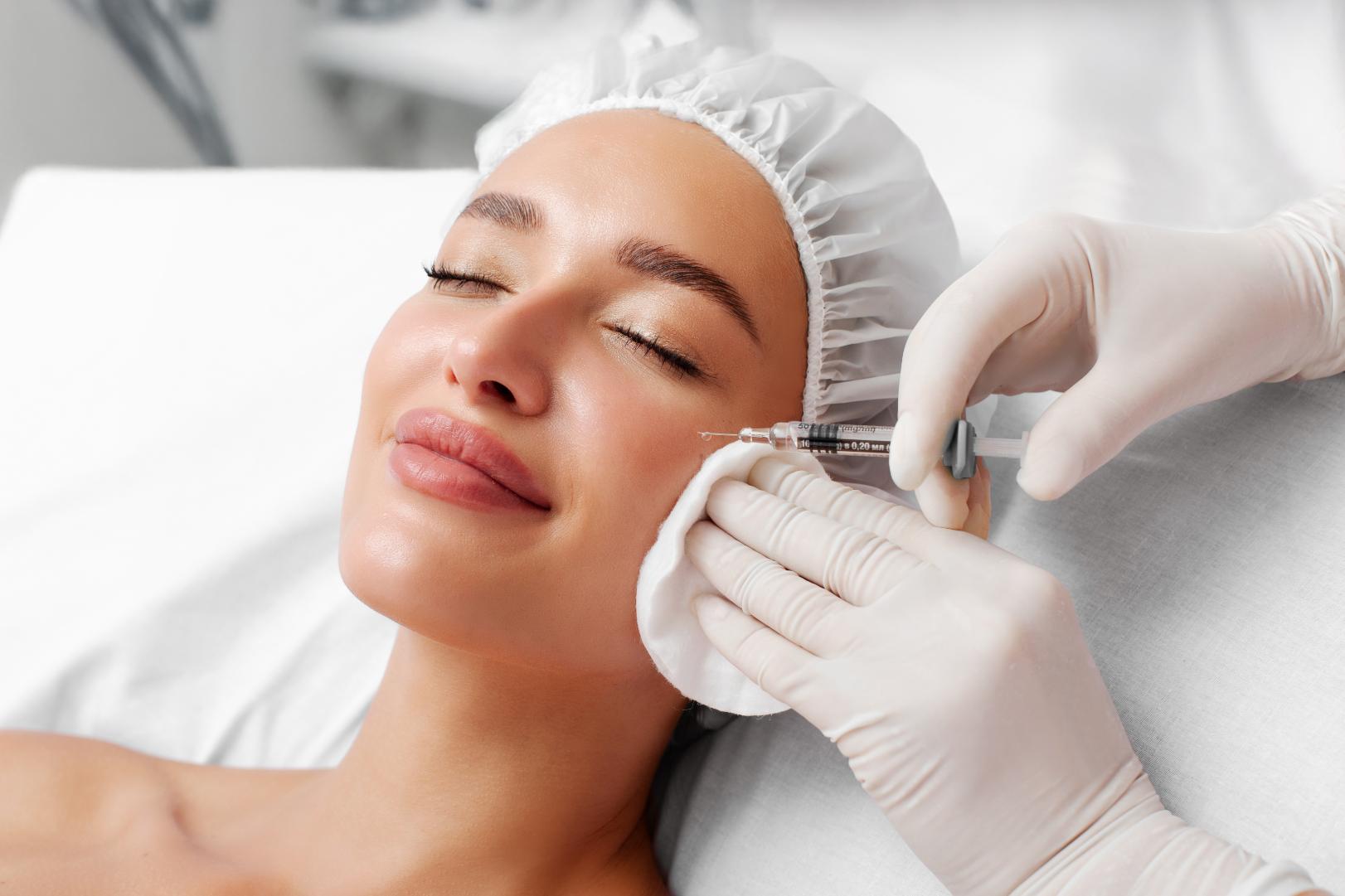
Filler describes a category, not one universal substance. Many fillers are made with hyaluronic acid, but other injectable products use different materials and work through different mechanisms. Sculptra, for example, contains poly-L-lactic acid and is used to stimulate collagen gradually rather than behaving exactly like an HA gel.
At Ageless Aesthetics and Wellness, filler services may address several different goals, including mid-face rejuvenation, lower-face rejuvenation, lip enhancement, and broader facial balancing. Those goals aren’t interchangeable.
Mid-face treatment may focus on restoring support through the cheeks and improving facial balance. Lower-face treatment can involve areas such as the chin, jawline, and around the mouth. Lip filler has its own considerations involving shape, hydration, proportion, and natural movement.
The product and technique should match the assignment. A filler chosen because it performs well in one facial area shouldn’t automatically be expected to behave identically somewhere else.
8. Overfilling Can Work Against Facial Balance
More filler doesn’t always create more rejuvenation. Good facial treatment considers proportion. Restoring too much volume or repeatedly adding filler without reassessing the whole face can eventually work against the natural-looking result many patients originally wanted. This is especially relevant with full facial balancing.
Facial balancing doesn’t mean filling every possible area. It means looking at relationships among features such as the cheeks, lips, chin, jawline, and temples and deciding where treatment could improve harmony. Sometimes the best decision is to treat less.
Other times, addressing a supporting area can produce a more balanced appearance than concentrating additional product in the feature that first caught your attention. Maintenance appointments should therefore include reassessment rather than automatically repeating the exact amount used last time.
Protect the Result, Not Just the Appointment
Good filler doesn’t end when the syringe is empty. Thoughtful aftercare, realistic expectations, appropriate maintenance, and knowing when to ask for help all contribute to results that remain balanced over time.
At Ageless Aesthetics and Wellness in Lakeland, FL, patients can explore injectables through a personalized approach that considers facial structure, movement, volume, and individual goals. Whether you’re interested in the mid-face, lower face, lips, or broader facial balancing, the goal is to create a treatment and maintenance plan that respects your natural features rather than simply adding more product.
Call us today to schedule your consultation!