
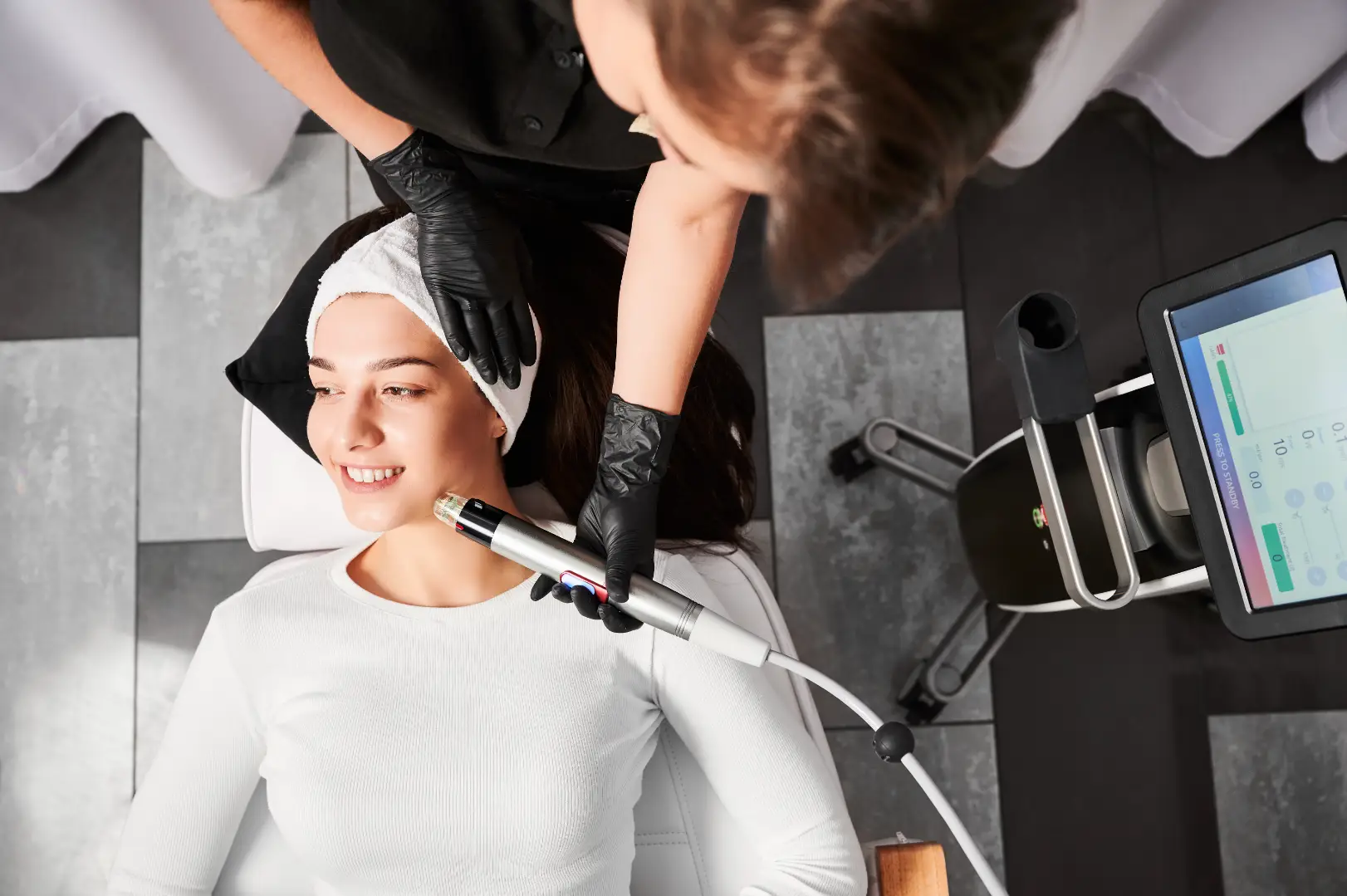
Skin rejuvenation gets complicated when the problem isn’t just one wrinkle or one dark spot. Acne scars may sit beside enlarged-looking pores, sun damage may come with rough texture, and fine lines can make the entire complexion look less smooth.
When several concerns overlap, skin resurfacing can offer a more comprehensive approach than simply treating each visible imperfection separately. A fractional CO2 laser treatment takes resurfacing seriously.
It creates controlled microscopic injury in the skin, removing damaged surface tissue while producing thermal effects that encourage repair and new collagen formation. RF microneedling can also stimulate collagen, but it reaches the skin differently and doesn’t provide the same ablative surface resurfacing.
If you’re weighing the two, continue reading. The right choice becomes much clearer once you understand what you actually want to change.
How the Treatments Compare
The CO2 laser vs. microneedling decision isn’t simply about which technology is stronger. It comes down to treatment depth, the concerns being addressed, recovery preferences, skin characteristics, and how much surface renewal you actually need.
1. CO2 Treats the Surface and Deeper Skin
One of the biggest differences between the two treatments is how they create controlled injury. A CO2 laser uses carbon dioxide laser energy that is strongly absorbed by water in skin tissue. Depending on the settings and treatment technique, this energy can ablate microscopic areas of damaged surface tissue while creating controlled thermal effects below.
That combination makes CO2 particularly relevant when both the surface and underlying dermal structure need attention. Fractional technology further changes the experience. Instead of removing an entire continuous layer of skin, fractional CO2 treatment creates microscopic treatment columns surrounded by untreated tissue. Those surrounding areas participate in the healing process.
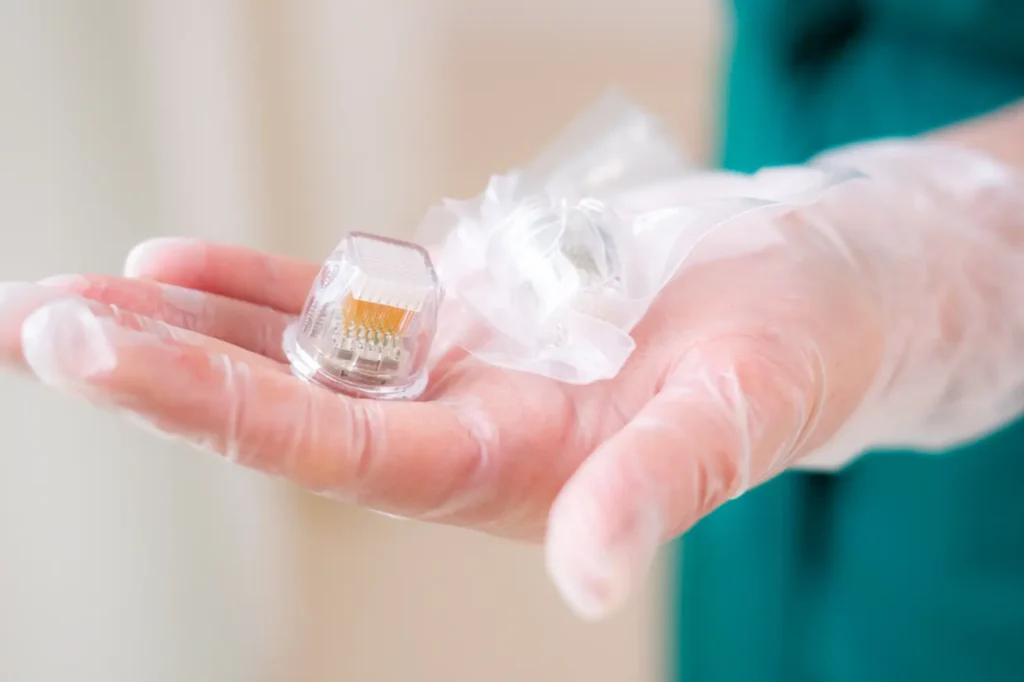
RF microneedling works differently. Tiny needles penetrate the skin and deliver radiofrequency energy at selected depths. The procedure can create controlled dermal heating and stimulate remodeling without ablating the surface in the same way as CO2. Both can stimulate collagen, but they arrive there through different routes.
2. It Takes Texture Correction Further
Sometimes skin doesn’t necessarily need more volume. It needs a smoother surface. Acne scars, fine lines, enlarged-looking pores, and photodamage can all contribute to irregular texture. Foundation may settle differently across these areas, and changing light can make them appear even more obvious.
Fractional CO2 is particularly useful when texture correction is a major goal because the treatment combines controlled ablation with thermal remodeling. As treated tissue heals, fresh surface tissue replaces some of the damaged tissue while collagen remodeling occurs below. This dual action helps explain why CO2 resurfacing has remained an important option even as newer technologies have entered aesthetic medicine.
RF microneedling can also improve texture. However, because its primary thermal effect occurs beneath the surface through needles, it may be selected for somewhat different priorities. If rough, weathered, or visibly damaged surface skin is what bothers you most, CO2 may deserve a closer look.
3. Acne Scars May Need More Than One Strategy
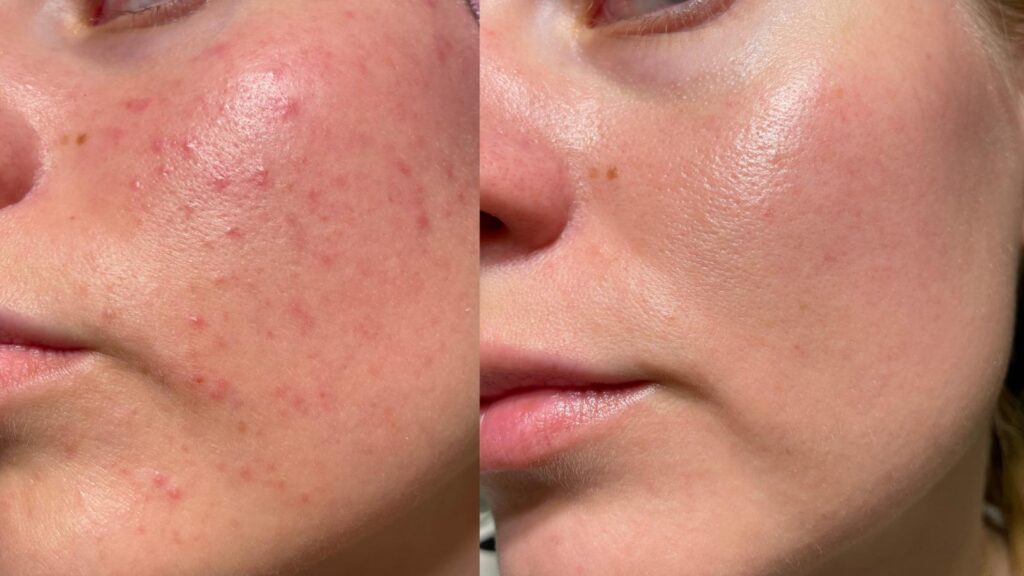
Acne may disappear, but the texture it leaves behind can last for years. Depressed acne scars are not all alike. They can include rolling, boxcar, and ice-pick patterns, and one patient may have several scar types at once. Scar depth and structure influence which procedure is likely to be useful.
A 2026 meta-analysis by Argobi and colleagues compared eight randomized trials involving 249 patients with post-acne scarring. Fractional CO2 produced greater scar improvement and patient satisfaction, while RF microneedling caused less pain, less post-inflammatory hyperpigmentation, and shorter-lasting redness.
These findings support weighing correction against tolerability when considering acne scar treatment in Lakeland. They apply to the studied scar treatments and settings. The review did not establish that one approach is best for every skin type or every resurfacing concern.
However, no responsible treatment plan should promise that a CO2 laser will erase every scar. Deep tethered scars may benefit from procedures such as subcision. Narrow ice-pick scars may require another technique. Some patients may be candidates for RF microneedling, while others benefit from a carefully planned combination approach.
The scar should determine the treatment rather than forcing every scar into the same laser protocol.
4. It Addresses Signs of Sun Damage
Years of sunshine can leave behind more than a tan. Chronic ultraviolet exposure contributes to photoaging, which can include wrinkles, rough texture, mottled pigmentation, and changes within the skin’s collagen-rich support structure.
CO2 resurfacing can be useful when several of those concerns appear together. Rather than treating only one brown spot or one line, fractional resurfacing can address broader areas of damaged skin. That makes it particularly appealing for patients whose complexion looks generally weathered rather than having one isolated concern.
Still, pigmentation deserves thoughtful assessment. Not every dark area should be treated with an ablative laser. Melasma, post-inflammatory hyperpigmentation, and individual pigmented lesions can require very different approaches.
Any lesion that is changing, bleeding, irregular, or medically suspicious should be evaluated rather than cosmetically resurfaced. The goal is healthier-looking skin, not indiscriminately lasering anything brown.
5. Collagen Remodeling Continues After Treatment
CO2 resurfacing isn’t finished when the laser stops firing. Controlled thermal injury initiates the body’s wound-healing response. Part of that response involves collagen remodeling, which can continue after the visible surface recovery has progressed.
This is why collagen resurfacing is better understood as a process rather than an instant event. Patients may notice changes in surface texture as healing occurs, while improvements associated with remodeling can develop more gradually.
The final result should not be judged during the first few days, when redness, swelling, or peeling can temporarily dominate the appearance. RF microneedling also relies on a remodeling response.
Its needles deliver radiofrequency energy into the dermis, producing controlled heating at selected depths. This can stimulate collagen without creating the same degree of ablative surface injury.
So, both treatments speak the language of collagen. CO2 simply adds a stronger resurfacing component at the skin’s surface.
6. Treatment Intensity Can Be Adjusted
CO2 laser doesn’t describe one fixed treatment experience. Modern fractional systems can be adjusted according to the patient’s concerns, skin characteristics, and acceptable recovery. Energy, density, treatment depth, and other parameters influence how aggressively the skin is treated.
At Ageless Aesthetics and Wellness, fractional CO2 options include CoolPeel. According to DEKA, the manufacturer of compatible CO2 laser systems, CoolPeel uses a short, high-peak-power H-pulse to deliver superficial resurfacing while controlling thermal effects.
That description reflects the manufacturer’s positioning of the technology. Your treatment settings, skin characteristics, and healing response still determine the intensity of treatment and recovery.
A patient with early texture changes who wants lighter recovery may have different treatment needs from someone seeking stronger correction for pronounced photodamage or scarring. Rather than thinking of CO2 as either gentle or aggressive, it makes more sense to think of resurfacing along a spectrum. The appropriate point on that spectrum depends on your skin.
7. CO2 Can Address Several Concerns at Once
One advantage of fractional CO2 treatment is that patients often have more than one reason for seeking resurfacing. A person may have fine lines around the mouth, old acne marks on the cheeks, uneven texture, and signs of sun damage.
Treating those concerns individually could require several different strategies. CO2 can sometimes address multiple aspects of skin quality within one resurfacing plan. Depending on the patient and treatment settings, fractional CO2 may be considered for concerns including:
- Fine lines and wrinkles
- Rough or uneven texture
- Selected acne scars
- Photodamaged skin
- Certain pigment irregularities
- Overall skin rejuvenation
That versatility does not mean every concern responds equally or that every patient is a candidate. It simply makes CO2 a useful option when the treatment goal extends beyond one isolated issue.
8. Fitzpatrick and Skin-Tone Candidacy
Your skin’s response to inflammation helps guide treatment selection. The Fitzpatrick scale classifies skin from types I through VI based largely on its tendency to burn or tan. It is one part of an assessment that also considers your actual skin tone, recent tanning, and history of dark marks after irritation.
Post-inflammatory hyperpigmentation, or PIH, means darkening after skin inflammation or injury. Ablative CO2 can trigger it, with greater concern in deeper skin tones, including Fitzpatrick IV–VI. Melasma, previous PIH, and prior treatment reactions also deserve discussion. Higher phototypes require careful selection and settings rather than a blanket promise of suitability.
RF microneedling is often better tolerated in deeper skin tones than ablative CO2. It delivers much of its heat beneath the surface and causes less epidermal disruption, which can reduce pigmentary risk and recovery demands. The needles still penetrate the skin, and burns, scarring, or pigment changes remain possible. Ask about the provider’s experience treating patients with skin similar to yours.
Downtime: What to Plan For
Recovery is often the deciding factor between these treatments. The following ranges describe common early recovery, while your individual treatment plan may require more time.
Fractional CO2
Plan for approximately 5–10 days of visible redness, swelling, crusting, or peeling after fractional ablative CO2. Pinkness may remain for several weeks. More intensive resurfacing can involve a longer recovery.
Social downtime and complete skin healing are different milestones. Memorial Sloan Kettering advises that skin healing after fractionated CO2 usually takes about 1–2 weeks. Ask when your skin can tolerate makeup, work conditions, exercise, and sun exposure.
RF Microneedling
Common redness, warmth, and mild swelling often last 1–2 days after RF microneedling. Tiny needle marks, dryness, or roughness can persist longer. Stronger settings or an individual reaction may extend recovery.
This generally creates a shorter interruption to everyday activities than more intensive ablative CO2. Leave a buffer before important events and follow the aftercare instructions for your specific device and treatment.
Lighter CoolPeel Treatments
Ageless Aesthetics and Wellness describes approximately 1–3 days of redness after lighter CoolPeel sessions. That estimate applies to a lighter protocol, rather than every CO2 treatment. Ask whether your plan includes deeper settings and how that changes recovery.
Who Is Not a Candidate?
Some patients should postpone treatment, while others need further medical assessment before either procedure. Reasons to defer treatment or seek additional clearance include:
- An active skin infection, current cold sore, open wound, or significant inflammation in the treatment area.
- Pregnancy or breastfeeding, when elective resurfacing is generally deferred.
- A recent tan or sunburn, particularly before ablative CO2, or inability to follow wound care and sun protection.
- Poor wound healing, uncontrolled diabetes, immune suppression, or a history of raised or keloid scars.
For RF microneedling, implanted metal or a pacemaker also requires a device-specific medical review. Share your full medication and treatment history so the clinician can assess risks that may not be visible on your skin.
Make Safety Part of the Plan
A careful consultation should cover prevention and the steps to take if healing does not follow the expected course. These topics deserve attention before booking.
Cold Sores and Infection
Tell your provider if you have ever had cold sores. Resurfacing can reactivate herpes simplex virus, even when an outbreak has been absent for years. Your clinician may prescribe antiviral medication before and after CO2 treatment. Preventive medication may also be considered before microneedling when there is a herpes history.
Both treatments create openings in the skin, so infection prevention matters. Follow the prescribed cleansing and skincare routine, avoid picking at crusts, and use only products approved by your treating team during healing.
Recent Isotretinoin Use
Tell your provider if you currently take isotretinoin or have recently finished it. The FDA lists current use or use within the previous six months among reasons microneedling may not be suitable.
The timing is more nuanced for fractional lasers. A JAMA Dermatology systematic review found insufficient evidence for automatically delaying fractional ablative or nonablative procedures solely because of isotretinoin. Fully ablative resurfacing was not recommended in that setting. Your clinician should assess the specific procedure and device instructions before clearing treatment.
Warning Signs Matter
Contact your treating team promptly for worsening pain, increasing redness or swelling, fever, new blisters, or unusual drainage. These can signal a complication that needs assessment. Ask before treatment how to reach the practice if a concern develops.
RF microneedling also carries serious medical risks. The FDA has received reports of burns, scarring, fat loss, disfigurement, and nerve damage with certain uses of these devices. Its potential advantage in pigmentation and recovery does not remove the need for appropriate training, settings, and patient selection.
Most Common Questions
Treatment names can obscure important differences. These answers bring the discussion back to your goals and skin history.
No. CO2 laser resurfacing remains an established option for wrinkles, photodamage, and selected acne scars. Fractional delivery and adjustable settings allow clinicians to tailor treatment intensity. Its usefulness depends on the indication and patient, while recovery and pigmentary risks still need careful consideration.
The choice depends on your skin tone, treatment goals, and recovery tolerance. Fractional CO2 may suit patients seeking more surface renewal who can accommodate healing time. RF microneedling may be preferable when shorter recovery and lower pigmentary risk are priorities. Standard microneedling does not deliver RF energy, so clarify which procedure your provider recommends.
Put the Right Treatment to Work
The best skin resurfacing choice isn’t determined by which machine sounds newer or more powerful. It comes down to what is happening in your skin and how much surface renewal, collagen remodeling, and recovery make sense for your goals.
At Ageless Aesthetics and Wellness in Lakeland, FL, patients can explore fractional CO2 laser treatment, including CoolPeel, as part of a personalized rejuvenation strategy. Whether you’re dealing with acne scars, sun damage, wrinkles, or uneven texture, choosing the right skin resurfacing approach begins with matching the technology to the concern rather than simply choosing the most aggressive option.
Contact us today to book your appointment!